From Waste to Industrial Value
What do we recover
from PV panels?
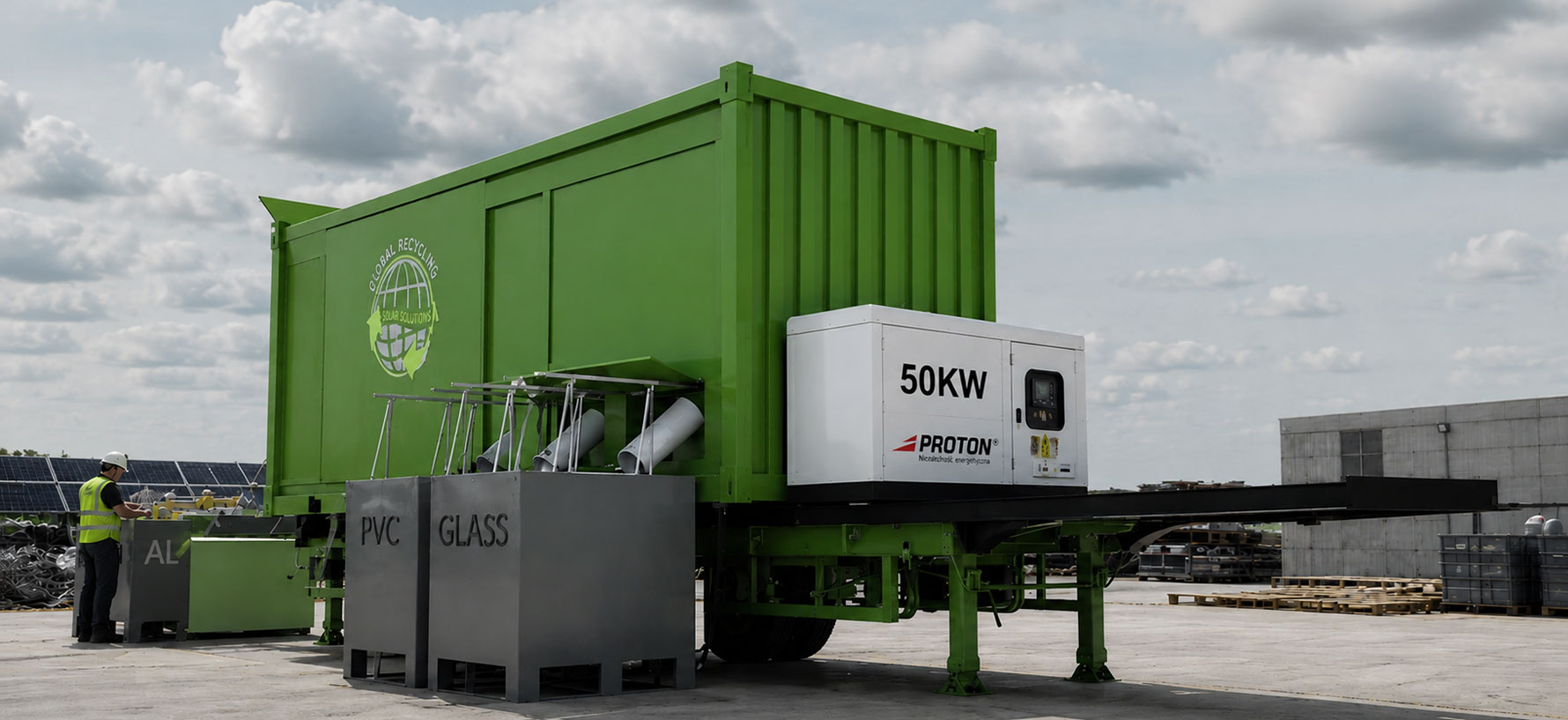
GRSS ONE separates end-of-life and damaged modules into material fractions prepared for further processing and industrial reuse.
From a PV panel to the next material cycle
Recycling does not end with separating the panel.
Economic value is created when a recovered fraction is properly prepared, cleaned in subsequent processes and reused. Therefore, GRSS ONE does not present materials leaving the machine as finished commercial products.
How to read the guide
One pathway. Four fractions.
Mono and bifacial panels enter the technology process.
ONE technology guides the separation of successive materials.
Material streams are created that require appropriate preparation.
After further preparation, materials can be used in subsequent industrial processes.
Estimated recovery
Aluminium
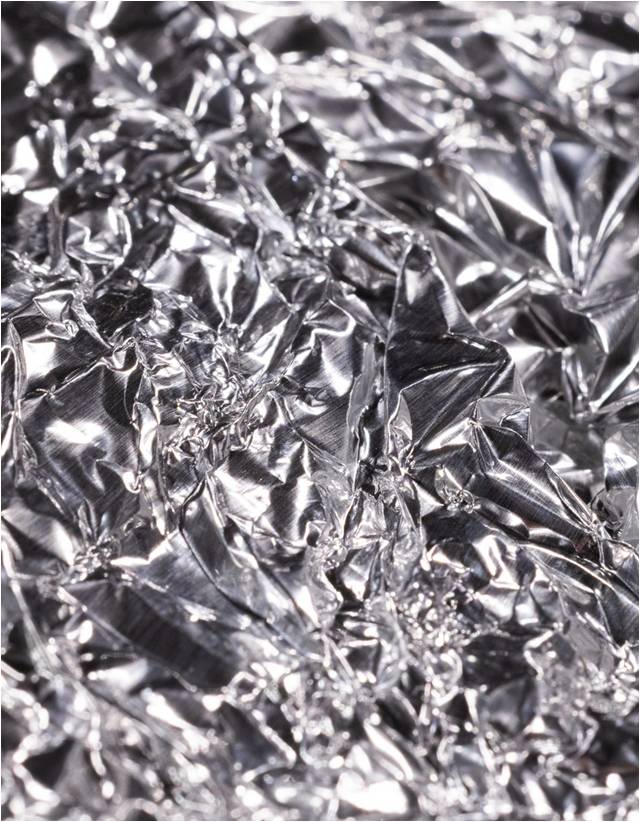
180-200 kg per tonne of panelsFrom the panel frame to another product. Aluminium can return to industry after further sorting, cleaning and remelting.
Where does it come from?
Mainly from photovoltaic panel frames and structural components.
What enters the machine?
End-of-life or damaged PV modules with aluminium frames and structural components.
What leaves the machine?
A separated aluminium fraction prepared for further sorting, cleaning and remelting.
Potential next uses
- new aluminium profiles,
- structural components,
- building components,
- industrial parts,
- other metal products.
Estimated recovery
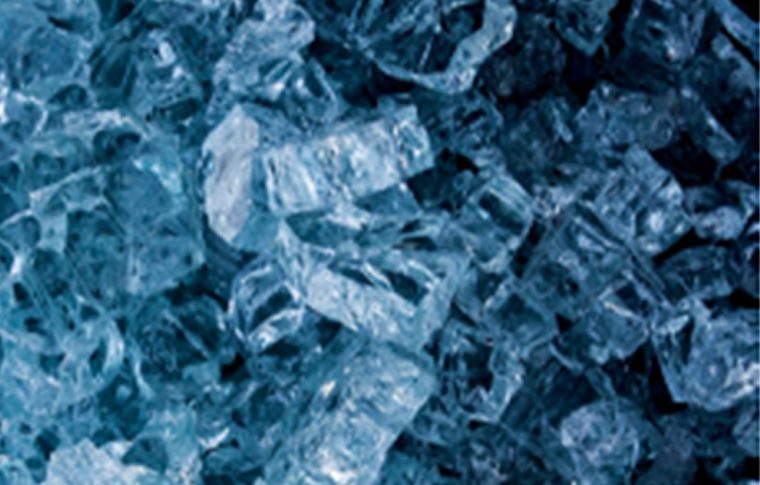
Glass
650-750 kg per tonne of panelsThe largest fraction recovered from PV panels. After further preparation, glass can be used again in construction and industry.
Where does it come from?
Glass represents the largest share of the mass of a typical photovoltaic module.
What enters the machine?
Photovoltaic panels containing a glass layer that protects the cells.
What leaves the machine?
A separated glass fraction prepared for further cleaning, classification and use.
Potential next uses
- insulation materials,
- foam glass,
- aggregates and building materials,
- facade elements,
- products containing recycled glass.
Estimated recovery
Copper
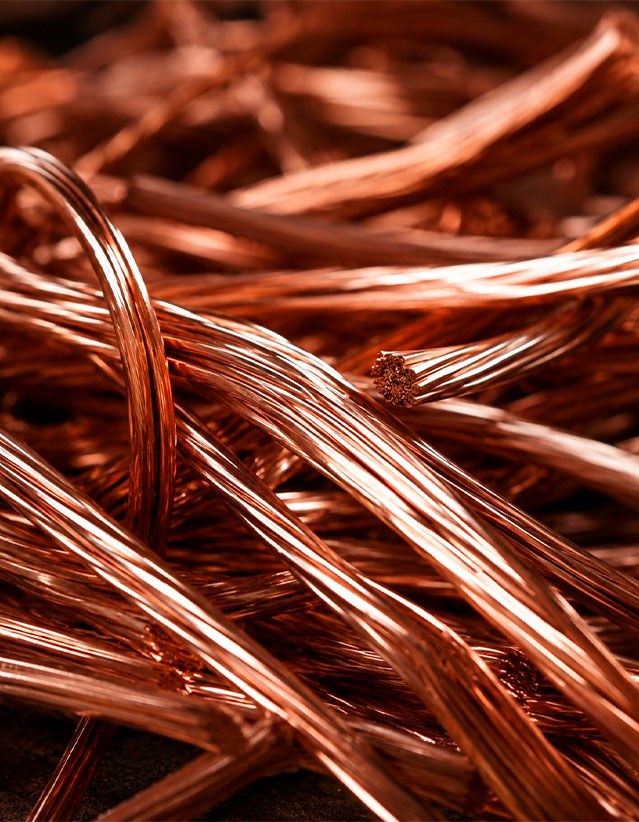
3-5 kg per tonne of panelsSmall quantity, high value. After further processing, recovered copper can return to the energy, electronics and industrial sectors.
Where does it come from?
From wires, electrical connections and module structural components.
What enters the machine?
PV panels containing wires, connectors and other copper components.
What leaves the machine?
A separated copper-containing fraction prepared for further cleaning or smelting.
Potential next uses
- electrical wires,
- power installations,
- electronic components,
- machine parts,
- other metal products.
Estimated recovery
EVA and PVC
20-30 kg per tonne of panelsPolymer fractions do not have to end as waste, but they require further separation, composition assessment and the selection of an appropriate processing technology.
Where do they come from?
From laminating layers, protective elements, insulation and other polymer components of the panel.
What enters the machine?
PV panels containing laminating and protective layers and polymer components.
What leaves the machine?
Separated polymer fractions requiring further separation, composition assessment and process matching.
Potential next uses
- composite materials,
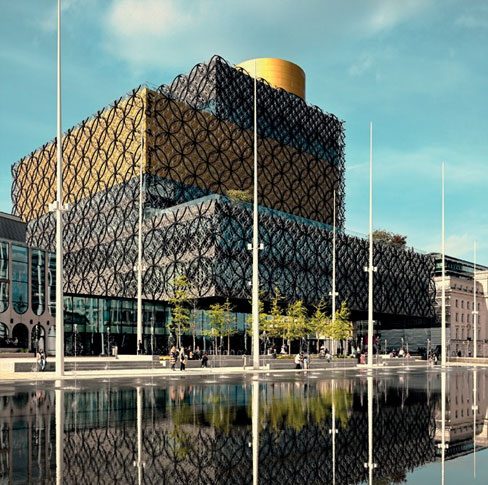
- building elements,
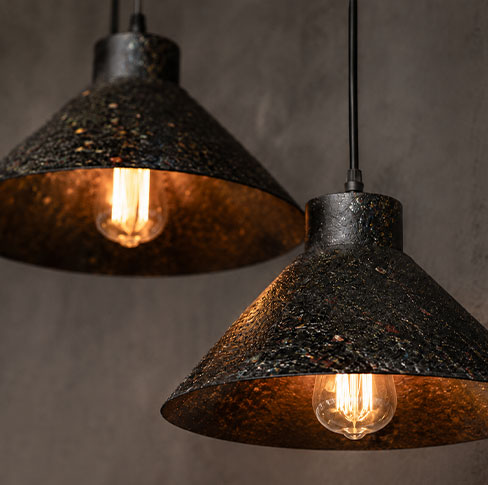
- lighting fixtures,
- products containing secondary raw materials,
- research and development projects,
- energy recovery when material recycling is not possible.
Applications and R&D
Further use requires the right process.
Standard directions include reprocessing aluminium and copper, further use of glass, processing polymer fractions and selected construction and industrial applications.
Projects developed through R&D are presented as a separate category.